
Island Intelligence vs. Desert Ambition: A Strategic Comparison of Luxury Resort Investments in Curaçao and Dubai
The global luxury resort landscape has changed. In today's world, capital moves at lightning pace. Headlines move even faster. Intelligent investors seek out strategic positioning rather than spectacle, and you can see this evolution in how money flows and the ways in which guests travel.
International tourism is officially out of its recovery phase and is now expanding again. UN Tourism estimated 1.4 billion international arrivals in 2024, which reached 99% of pre-pandemic levels. In 2025, arrivals rose to a record 1.52 billion, up 4%. The Middle East outperformed 2019 benchmarks, too, despite inflation and continuing geopolitical tension.
Of course, volume alone is not enough to define opportunity. How affluent guests choose to vacation also determines resort value. McKinsey notes that luxury travel is growing faster than other segments, with rising demand for personalisation and destination readiness. In addition, affluent travellers prefer beach resort stays and exclusive-use products, like private villas and yachts. Spending per trip is also expected to increase.
Capital has, more or less, followed the same trajectory. Global hotel direct investment in 2025 was up 22% from the 2023 trough, and hotels reclaimed about 8% of global commercial real estate volumes. Luxury resorts and trophy assets now attract interest because of their irreplaceable positioning and supply constraints.
In this environment, luxury is not only about scale anymore. It's about scarcity and long-term defensibility. Two destinations reflect this dichotomy: Dubai, a powerhouse, and Curacao.
Dubai's Powerhouse Model
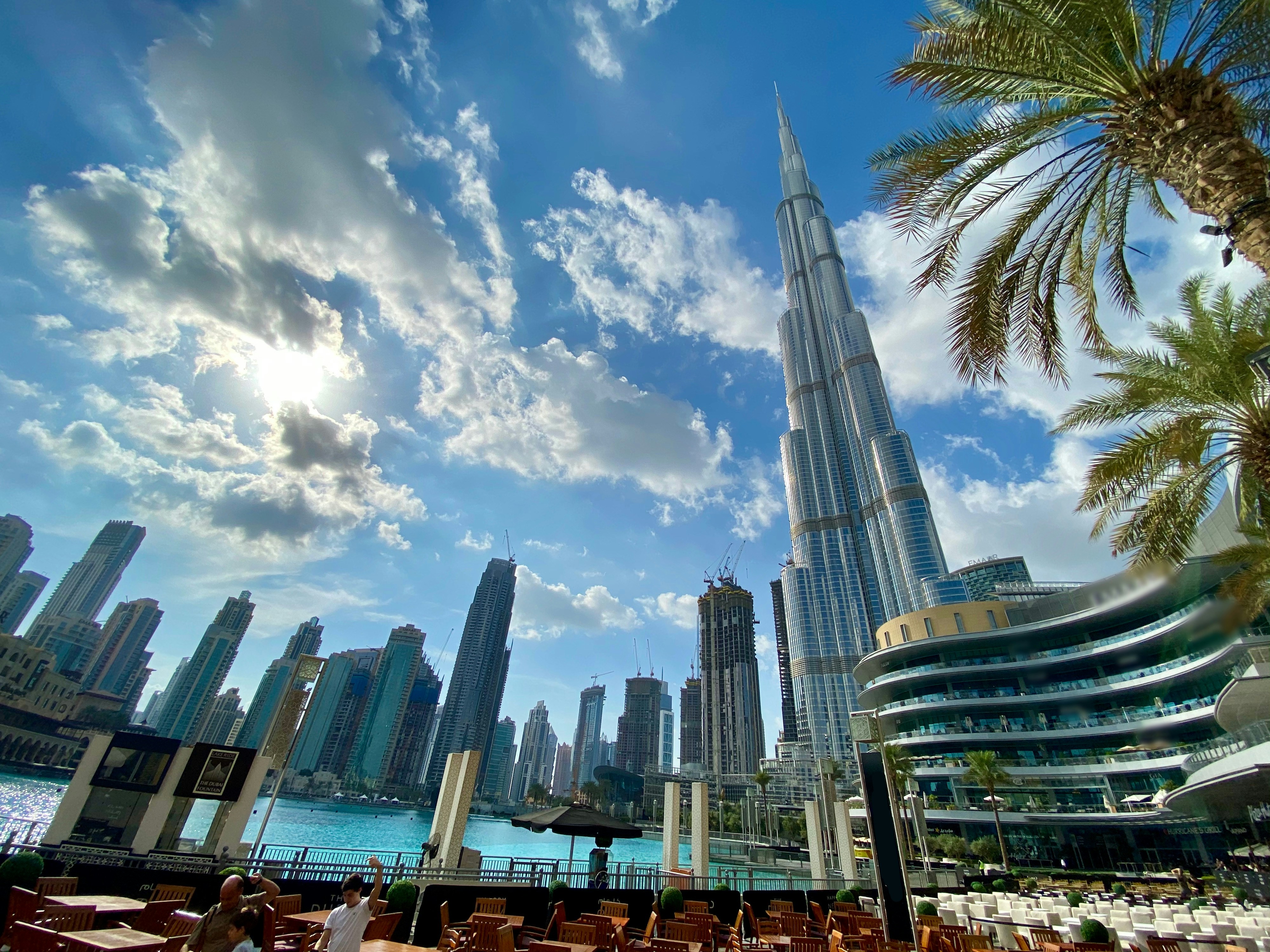
In Dubai, you see rapid expansion and architectural scale. There's integration with global capital markets as well. These traits have benefits, but success demands velocity.
Let's explore further.
Rapid Development Cycles
The Dubai Department of Economy and Tourism reports 18.72 million international overnight visitors, up 9% year on year.
Because of the nation's ultra-fast development cycles, inventory was able to match the growth. By the end of 2024, the city had 154,016 hotel rooms across 832 establishments. In addition:
- Occupancy averaged 78.2%.
- There were 43.03 million occupied room nights.
- ADR reached AED 538.
- RevPAR was AED 421.
What's more, in 2025, 20 hotels opened 4,619 new rooms, a figure that includes over 1,500 in the luxury segment. Evidently, there is investor confidence in the market. But there is also heated competition. As supply expands now and into the future, ADR growth might stall and struggle in the short-term horizon.
Liquidity and International Visibility
Dubai is a connected city with a recognisable global brand. The Dubai International Airport, which links the city to 272 destinations around the world, saw 92.3 million passengers in 2024.
In addition, each year the nation records upward of 226,000 real estate transactions with values surpassing AED 761 billion. In 2024, the market welcomed 110,000 new real estate investors, which increased the level of competition.
Capital inflows and buffers are certainly robust. However, capital flow reversals could result in asset price corrections in some segments.
Tax Efficiency and Infrastructure
In 2023, the UAE introduced federal corporate tax. There is still no personal income tax, and a VAT at 5%.
For you, as an investor, Dubai offers short- to medium-term ROI potential and strong exit optionality. You gain liquidity, but you accept exposure to global capital flows.
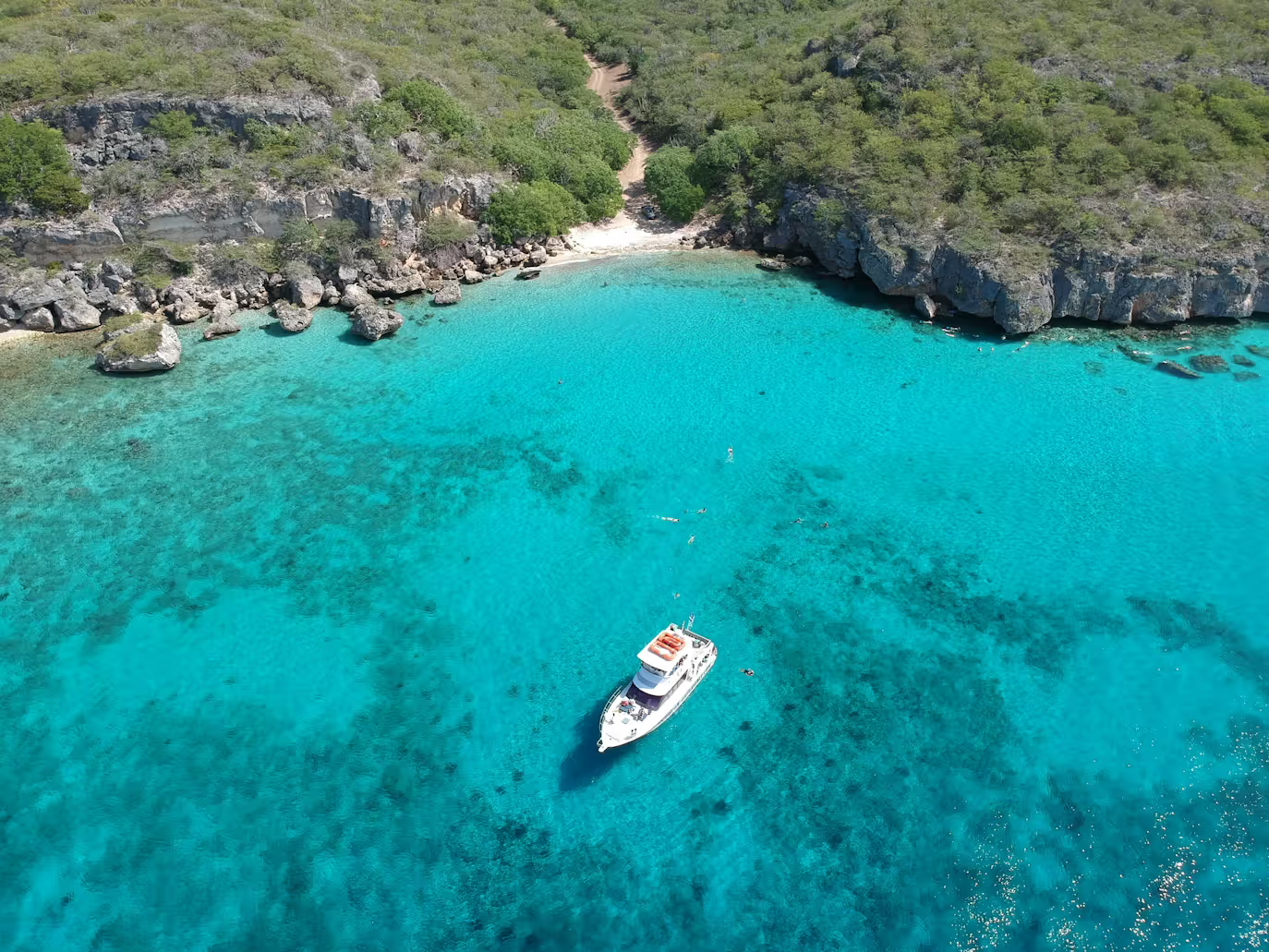
If Dubai represents expansion, Curacao represents strategic limitation.
Development is slow but more intentional. Land is finite, and it's this natural constraint that changes how investors assess long-term value.
Together, the factors below deliver:
- Growth constrained by capacity
- Long average stays
- Dollar peg stability
- Boutique positioning
Physical Limitations
Situated outside the hurricane belt, the island of Curacao spans about 444 square km; here, the scarcity is physical. There is no way to expand the coastline or continue developing inland indefinitely. There is a finite amount of space, which creates a sense of exclusivity. Because of this, every single resort site is competing for space.
From an investor's point of view, the limited nature of the local land supply locks in pricing discipline and mitigates the risk of unchecked expansion.
Political and Legal Stability
Curacao is a part of the Charter for the Kingdom of the Netherlands but takes care of its internal affairs autonomously. This political structure gives the nation legal certainty and governance standards.
In addition, the Caribbean guilder is pegged to the US dollar at 1.79 to 1.
The High-End Tourism Segment
In the first half of 2025, Curacao experienced:
- 399,968 stayover arrivals
- 77.9% occupancy
- ADR of USD 273.27
- RevPAR of USD 210.11
The island also has an average stay of 8.7 nights, which changes revenue dynamics in several ways. For one, longer stays secure cash flow and cut reliance on constant turnover. And secondly, a higher percentage of travellers are opting for accommodation outside of traditional hotels (66% of North Americans stay in hotels, compared to 43% of Europeans). This shapes a market narrative centred on dispersed, low-density experiences; Curacao is a destination where boutique and design-led resorts can differentiate themselves.
A Comparison of Dubai and Curacao
Where Dubai offers higher short-term upside through liquidity and scale, Curacao gives you stronger long-term capital preservation with a lifestyle premium influenced by scarcity and length of stay.
Below is a comparison based on the data.
Where Should You Invest?
Do you want to invest in momentum or in fundamentals?
- Momentum requires scale, liquidity, and shorter holding cycles. It's what Dubai offers.
- Fundamentals demand scarcity and duration of stay. Curacao is the strategic winner here.
Data suggests that family offices increasingly favor medium- to long-term real estate holds, a trend that highlights the preference for assets that preserve their value cycle after cycle.
Whichever path you choose, it's safe to say luxury is evolving. Scale might be important, but it's not the only factor at play anymore. Scarcity, stability, exclusivity, and controlled growth are also critical elements of long-term value creation.


